Muscle repair
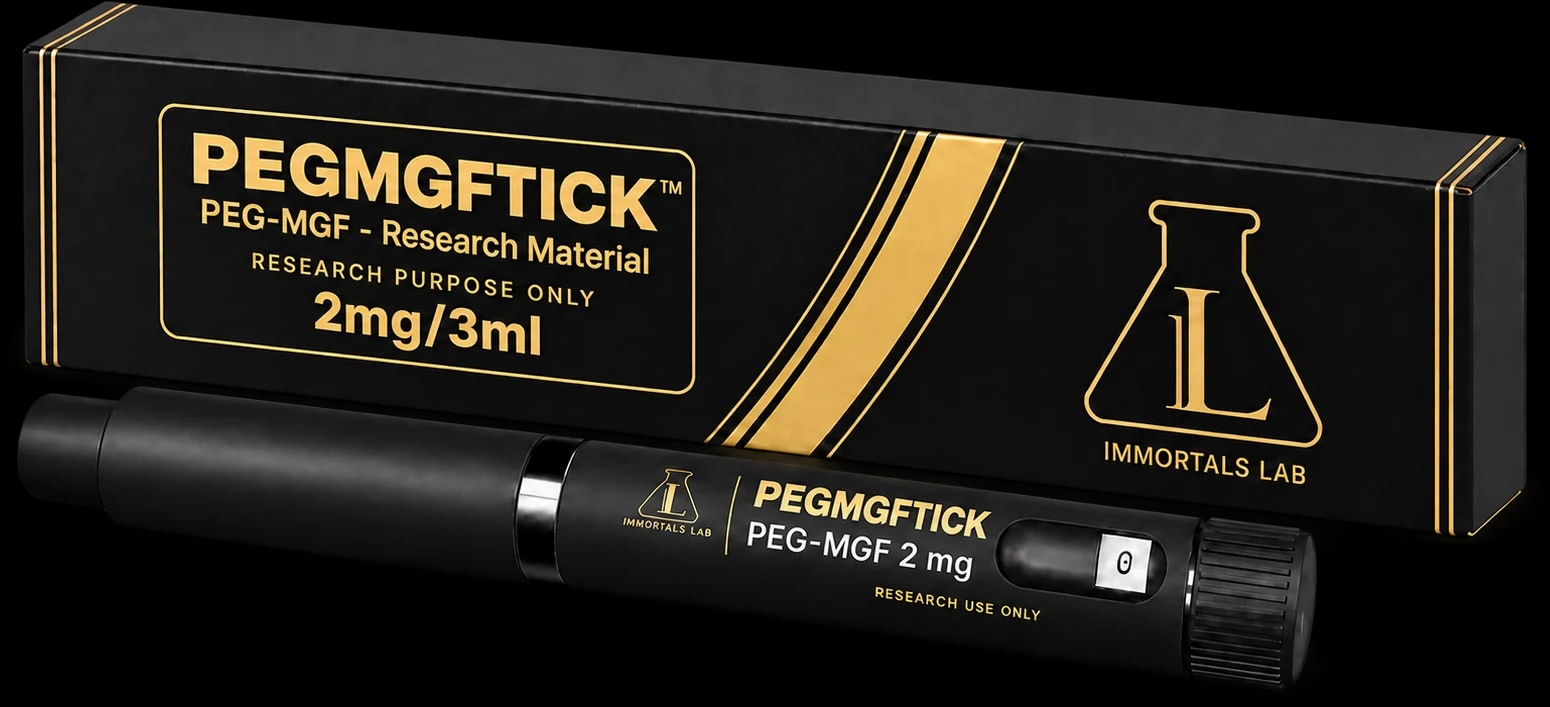
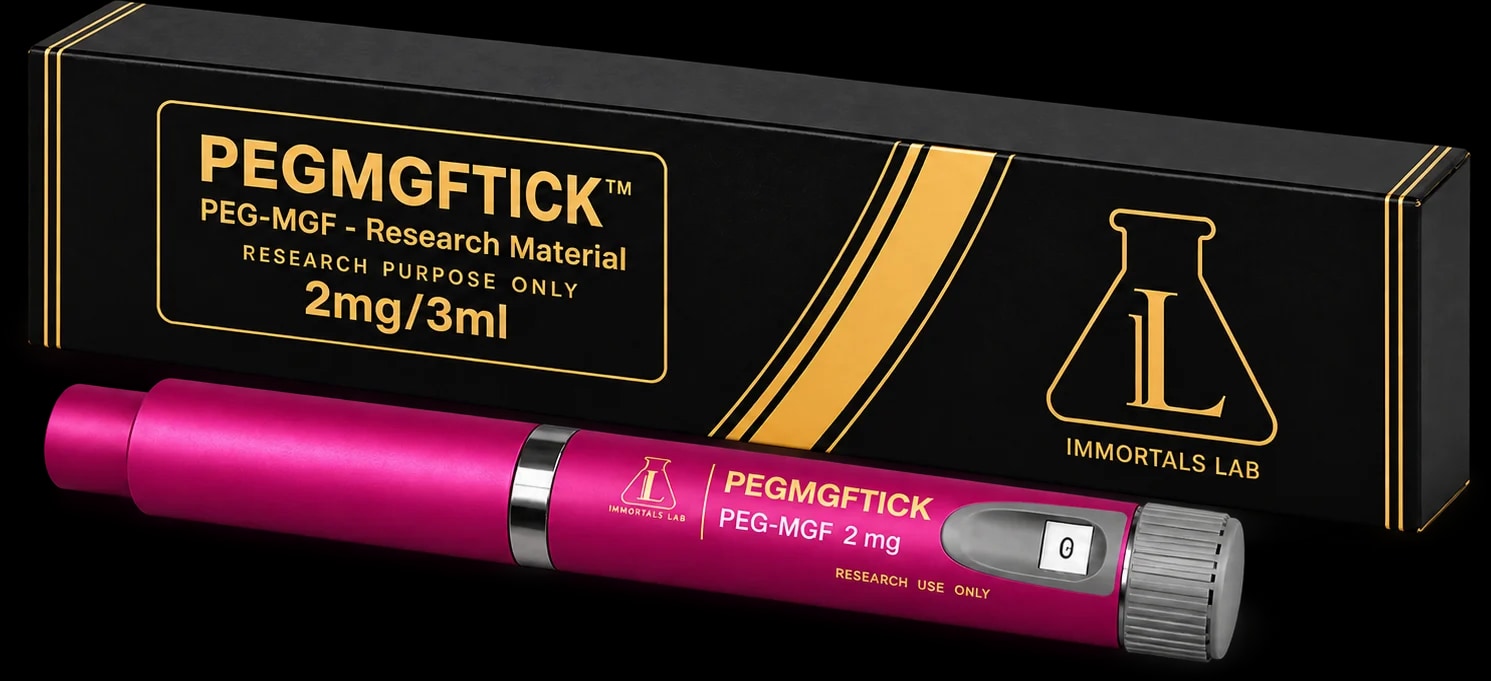
PEG-MGF
The repair signal after training
Format
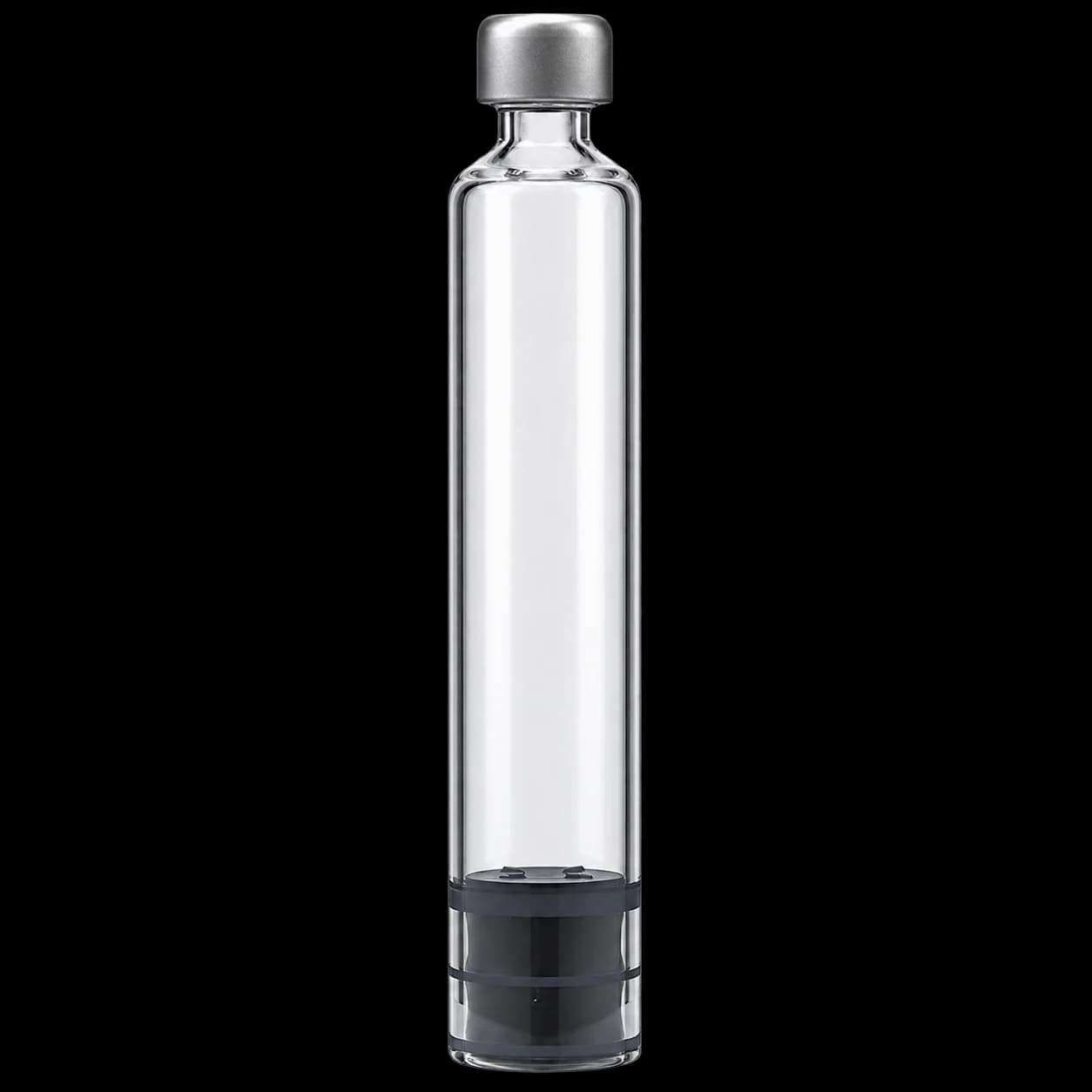
Add a refill for your pen
PEG-MGF 2 mg · +AED 985 each
Quantity — buy more, save more
Other quantity
Any mix counts: items from other products add up too.
Frequently paired with
Tap Add — each one counts toward your bundle saving.
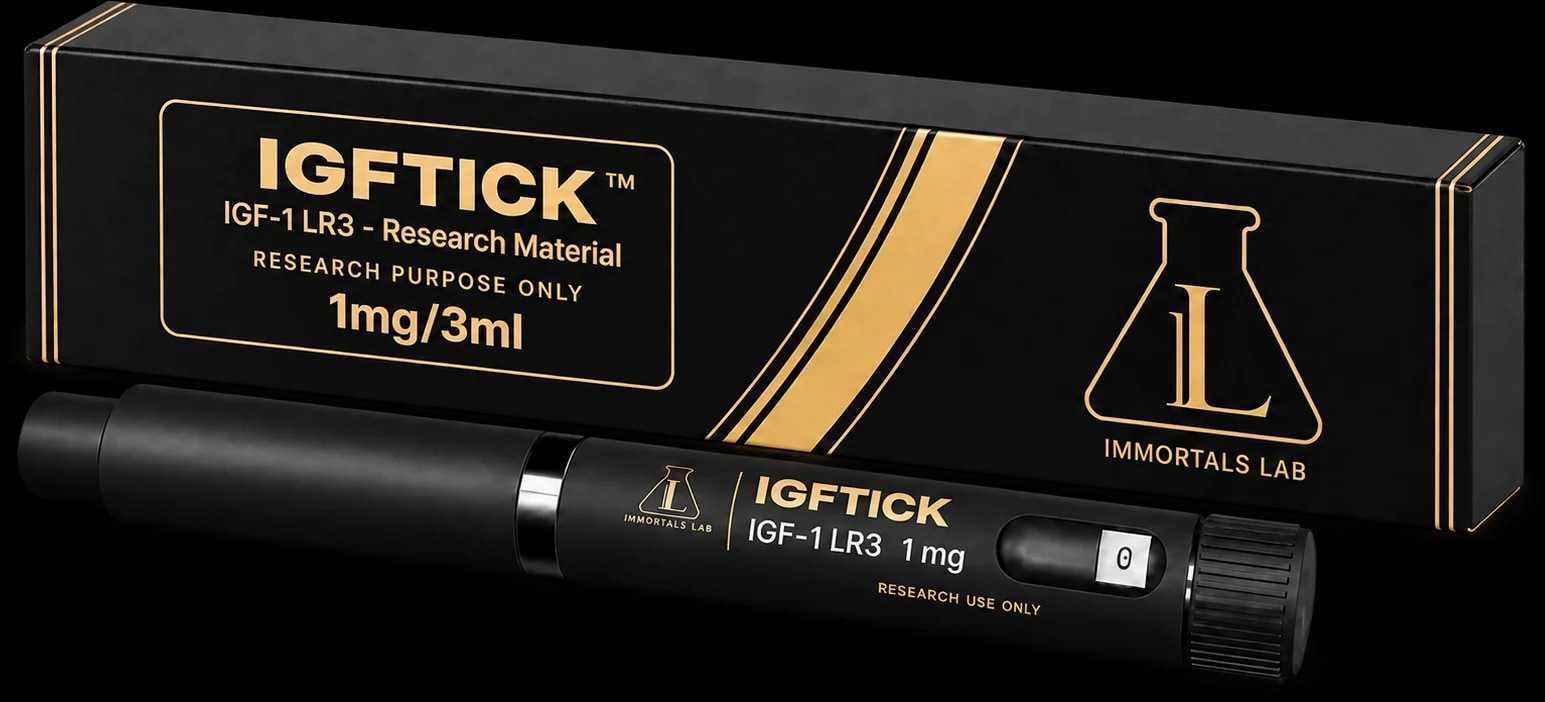
IGF-1 LR3 1 mg
AED 1230
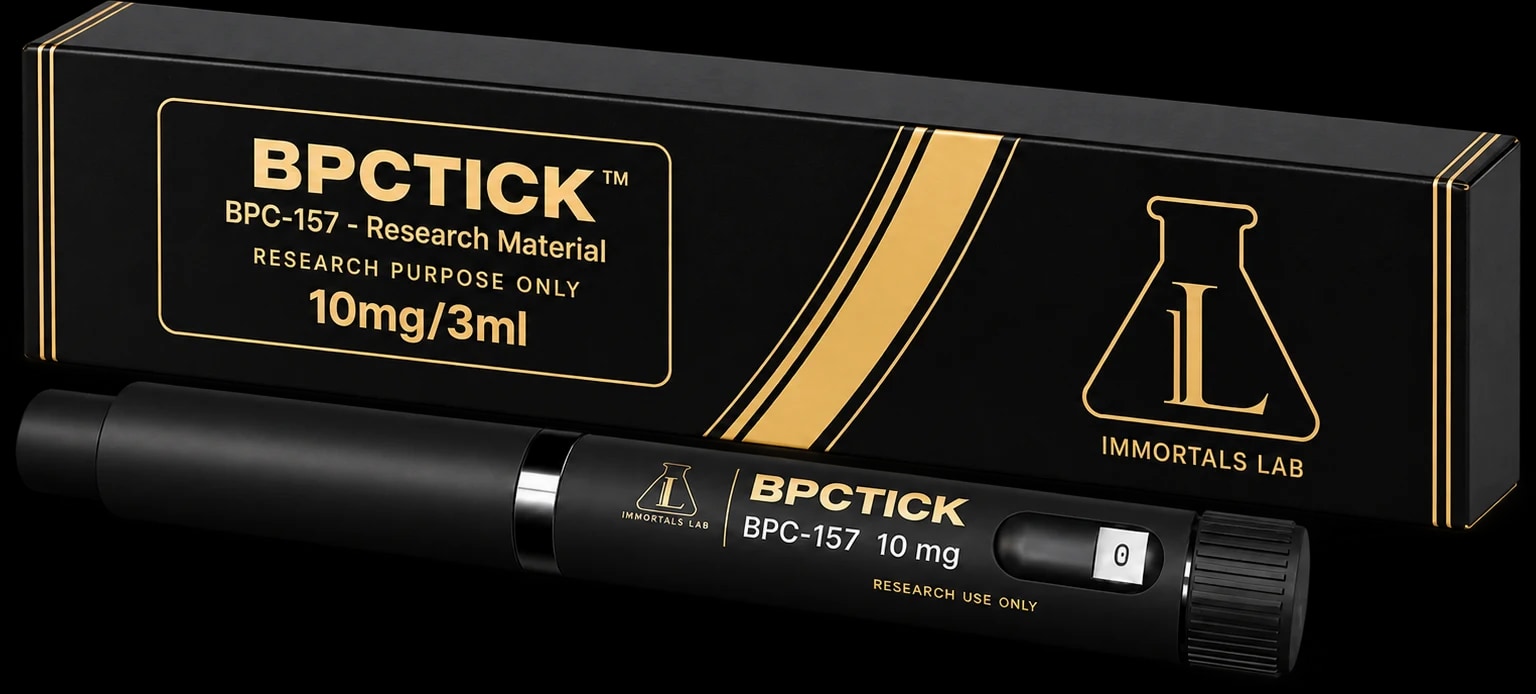
BPC-157 10 mg
AED 530
Add another item from the catalogue
Pens are added as the reusable pen; change the format on the product page if you prefer.
A pegylated form of mechano growth factor — the signal muscle releases after load — protected to stay active for hours instead of minutes. Studied in muscle-repair models.
Research use only. Supplied for laboratory and analytical research. Not a medicine or supplement, and not for human or animal use. We don't give dosing or clinical advice. Read the terms
- Presentation
- Lyophilised powder, reconstituted — 3 mL pen
Manufactured under controlled research-grade conditions. For documentation or questions about this compound, contact us on WhatsApp.
Published research
- Animal study
In MC3T3-E1 osteoblast-like cells, the MGF E peptide MGF-Ct24E (not PEG-MGF) increased proliferation more than IGF-1, and in rabbits with radius bone defects, high-dose injections improved healing versus no growth-factor treatment.
Deng M, et al. Mechano growth factor E peptide promotes osteoblasts proliferation and bone-defect healing in rabbits. International Orthopaedics. 2011. PMID 21057789
- Animal study
In rats with injured Achilles tendons, a synthetic MGF E peptide (MGF-C25E, not PEG-MGF) improved tendon function scores, repair appearance and repaired-tendon stiffness compared with saline.
Zhang B, et al. Mechano-growth factor E peptide promotes healing of rat injured tendon. Biotechnology Letters. 2016. PMID 27334712
- Animal study
In MC3T3-E1 bone cells, synthetic MGF E peptides (not PEG-MGF), especially T-MGF-19E, promoted proliferation, differentiation and mineralization, and low-dose T-MGF-19E injections promoted bone-defect healing in rabbits.
Wei W, et al. MGF-19E peptide promoted proliferation, differentiation and mineralization of MC3T3-E1 cell and promoted bone defect healing. Gene. 2020. PMID 32339623
- Cell study
In cultured rat tendon cells, the synthetic MGF E peptide MGF-C25E (not PEG-MGF) promoted cell migration and reduced cell stiffness, effects that depended on FAK-ERK1/2 signalling.
Zhang B, et al. A synthetic mechano-growth factor E peptide promotes rat tenocyte migration by lessening cell stiffness and increasing F-actin formation via the FAK-ERK1/2 signaling pathway. Experimental Cell Research. 2014. PMID 24434354
Short summaries of published studies, with links to the original papers. Results in animals or cells may not apply to people. This is not medical advice and not a guide to use.
All research on PEG-MGF